Water chemistry for steel mill cooling and wastewater reliability.
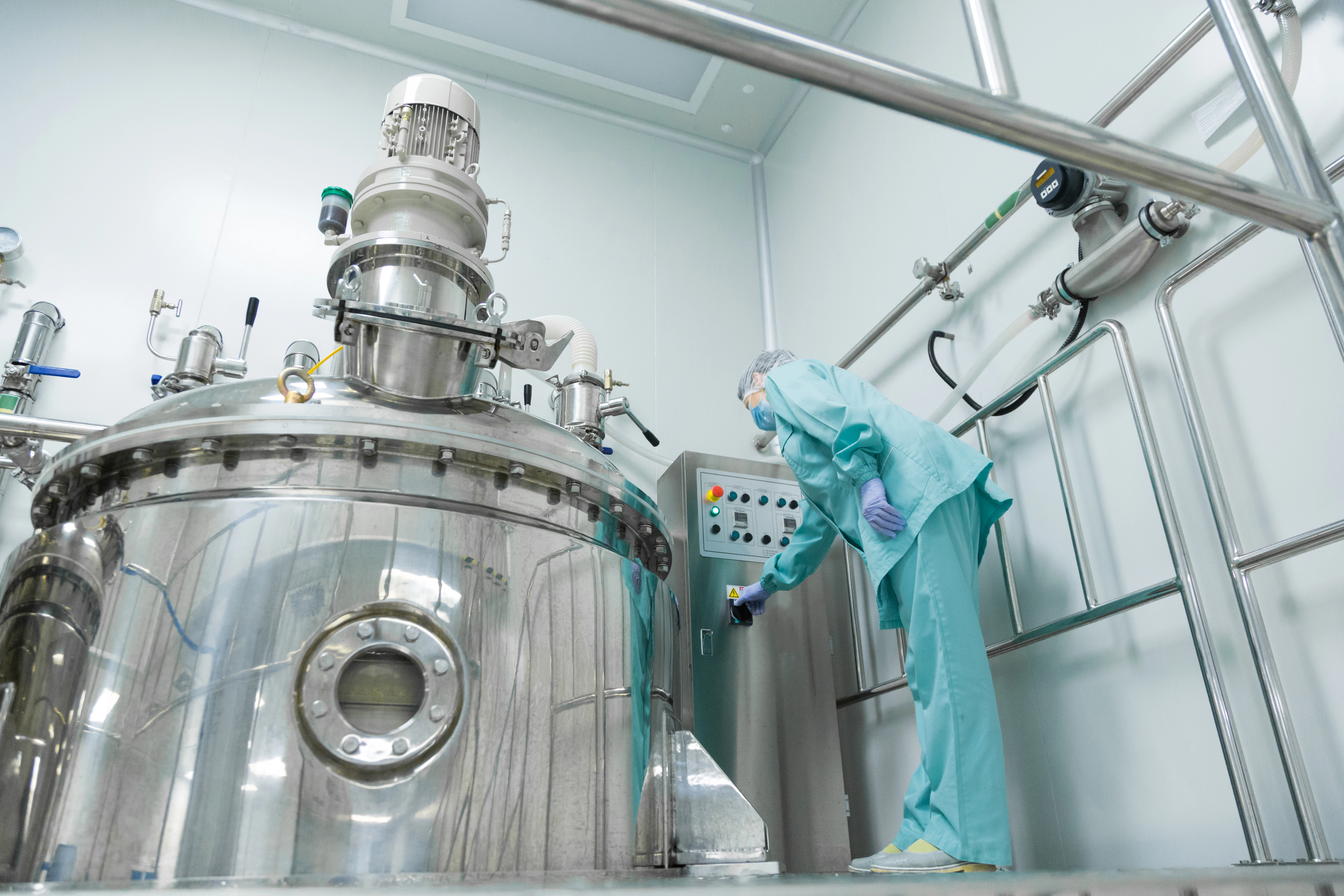
Product selection depends on water analysis, metallurgy, heat load, suspended solids, oils, scale tendency, system design and site operating history.
Analysis First
Water analysis before product recommendation.
TDS, SDS and certificates are shared upon request.
Iron and steel operations expose water systems to high heat load, suspended solids, iron oxide, oil contamination, hardness salts, variable pH, high conductivity and heavy mechanical stress. Cooling circuits, closed loops, process waters and wastewater units often operate under conditions that punish generic treatment programs. Liberta supports steel-related water systems through PureGuard® corrosion, scale, cooling, closed loop, boiler, RO and cleaning treatment routes, and BlancoWT® wastewater conditioning programs for coagulants, flocculants, antifoams, emulsion breaking and sludge dewatering. Liberta works as an engineering-driven partner: water analysis, site review, metallurgy, operating temperature, solids load, oil content, filtration performance and discharge expectations are reviewed before final product matching.
Typical water-related problems
| Problem | Why It Matters | Response |
|---|---|---|
| Scale and heat-transfer loss | Hardness, silica and suspended solids can reduce heat-transfer efficiency in cooling and process circuits. | PureGuard® Cooling / RO / Cleaning |
| Corrosion and metallurgy risk | Carbon steel, copper alloys, galvanized surfaces and mixed metallurgy require chemistry-specific review. | PureGuard® Cooling / Closed Loop |
| Iron oxide and suspended solids | Oxides and fines can accumulate in loops and wastewater treatment units. | PureGuard® dispersants / BlancoWT® coagulants-flocculants |
| Oily wastewater and emulsions | Rolling oils, hydraulic leakage, machining oils or process contamination may increase downstream load. | BlancoWT® Emulsion Breaking |
| Foam and overflow risk | Process contamination and treatment chemistry can generate foam in wastewater or process units. | BlancoWT® AntiFoam |
| Sludge dewatering | Steel wastewater sludge may require polymer screening and equipment-specific dewatering trials. | BlancoWT® Flocculants + Jar Test Services |
System mapping
| System | Risk | Solution |
|---|---|---|
| Cooling systems | Scale, corrosion, solids, microbiological risk | PureGuard® cooling programs including P-Free options where applicable |
| Closed loops | Corrosion, pH drift, glycol/water compatibility | PureGuard® closed loop programs |
| RO / demin | Scaling, fouling, wrong dosage | PureGuard® RO antiscalants + RO-Watel |
| Oily wastewater | Emulsified oil, COD fractions, turbidity | BlancoWT® Emulsion Breaking + Jar Test |
| Clarification / sludge | TSS, turbidity, sludge dewatering | BlancoWT® coagulants and flocculants |
| Process water | Root-cause process variability | Site review + custom conditioning route |
OUR APPROACH
From analysis to monitoring
Structured technical support at every stage of program selection and field review.
Analysis
Diagnosis
Treatment
Monitoring
Next step
Explore product families, request a document pack, or send water analysis for technical review.