Water chemistry for textile batch-to-batch reliability.
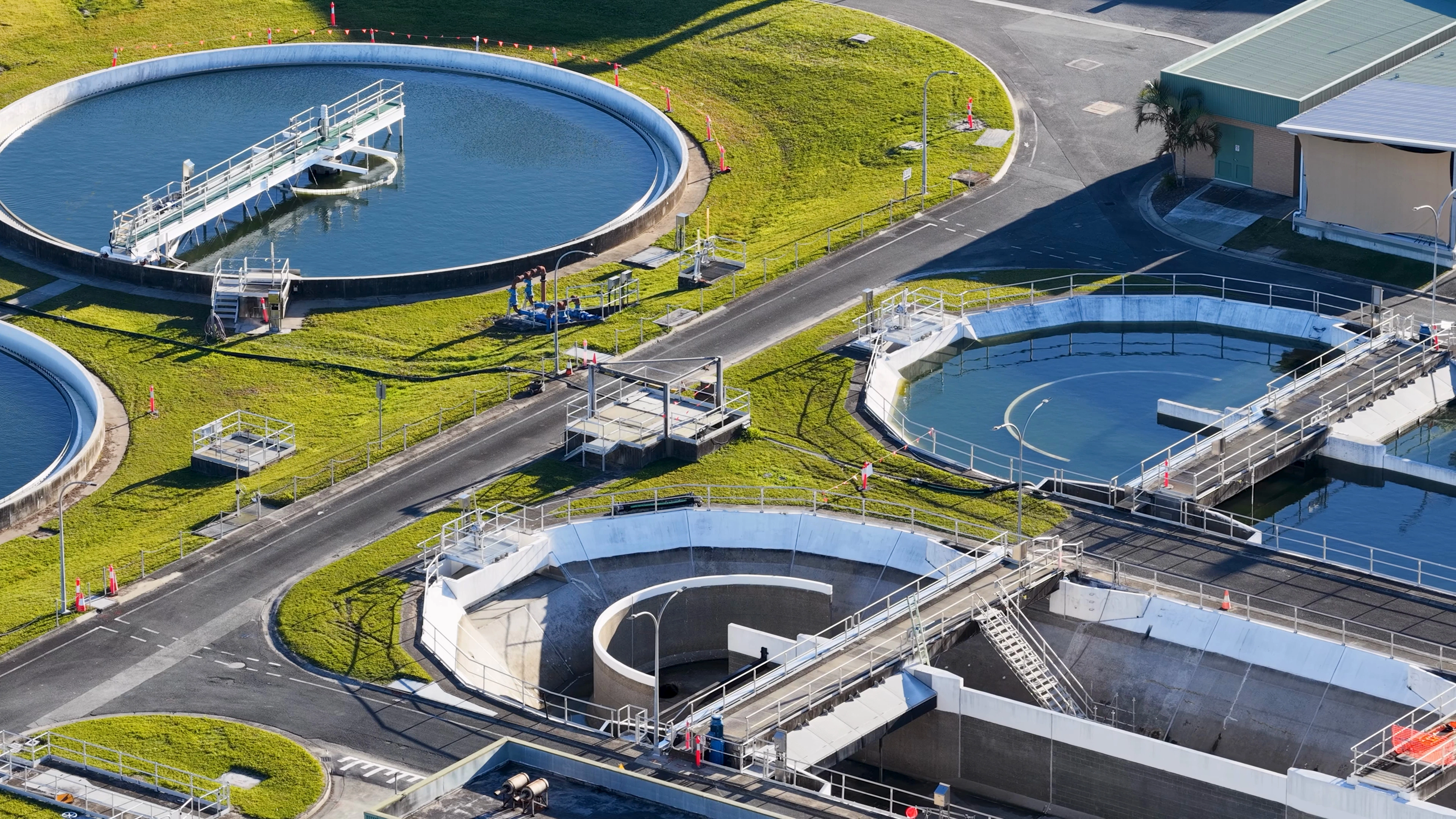
Product selection depends on water analysis, production process, wastewater variability, system design, operating conditions and field testing.
Analysis First
Water analysis before product recommendation.
TDS, SDS and certificates are shared upon request.
Textile facilities operate with highly variable water conditions. A dyeing or finishing line may generate colored wastewater, surfactant-rich streams, foam, suspended solids, pH swings, salts and process auxiliaries while utility systems simultaneously require boiler protection, cooling efficiency, RO reliability and stable process-water quality. Liberta supports these systems through PureGuard® utility and membrane treatment chemistry and BlancoWT® wastewater conditioning programs. For wastewater applications, product selection should be validated by jar test, decoloring trials, flocculation behavior, sludge dewatering review and field-translation parameters such as mixing speed, addition time, reaction time and settling time. One message matters most: textile water treatment is not solved by selecting a product from a catalogue. It requires water analysis, process understanding, field data and system-specific chemical routing.
Typical water-related problems
| Problem | Why It Matters | Response |
|---|---|---|
| Color and dye residues | Visible color can remain even when suspended solids are partially removed. Different dye classes behave differently. | BlancoWT® Color Removal Programs + jar-test validated decoloring route. |
| Turbidity and suspended solids | Fibers, fillers, pigments and process solids increase load on clarification, filtration and downstream treatment. | BlancoWT® Coagulants + Flocculants + Jar Test Services. |
| Foam and surfactants | Surfactants and process auxiliaries may create foam in equalization, DAF, aeration and sludge lines. | BlancoWT® AntiFoam + application-specific foam review. |
| COD fractions | Some COD is coagulation-responsive; dissolved and non-reactive fractions require broader process review. | Jar-test based program review. |
| Oil/emulsion residues | Knitting oils, finishing chemicals or machine-related oily streams may create oily wastewater burden. | BlancoWT® Emulsion Breaking where applicable. |
| Sludge dewatering difficulty | Incorrect polymer selection can increase sludge volume, reduce cake dryness or destabilize dewatering equipment. | BlancoWT® Flocculants + Request Dewatering Trial. |
| RO scaling and fouling | Hardness, silica, organics and pretreatment carryover may reduce membrane performance. | PureGuard® 7-Series antiscalants + RO-Watel-supported product selection. |
| Utility corrosion and scaling | Boiler, cooling and closed-loop systems require stable chemistry to protect heat-transfer surfaces. | PureGuard® boiler, cooling and closed-loop programs. |
System mapping
| System | Risk | Solution |
|---|---|---|
| RO / Demin | Membrane scaling, fouling, poor product/dose selection. | PureGuard® 7-Series antiscalants, selected phosphate-free options where applicable, cleaning support and RO-Watel. |
| Boiler / Steam | Oxygen corrosion, scaling, condensate-line corrosion and steam-quality sensitivity. | PureGuard® oxygen scavengers, pH/alkalinity control, internal treatment and condensate line treatment. |
| Cooling Tower | Scale, corrosion, deposit formation, microbiological risk and discharge-sensitive program needs. | PureGuard® Cooling Tower Treatment, P-Free / Green Chemistry options, antifoam or cleaning support where needed. |
| Closed Loops | Corrosion, pH drift, iron oxides, glycol-water loop sensitivity and old-system deposits. | PureGuard® Closed Loop Treatment and Cleaning & Maintenance support. |
| Process / Recycle Water | Variable process water quality, deposits, turbidity, foam and production sensitivity. | Site review, water analysis, root-cause assessment and custom PureGuard® / BlancoWT® product matching. |
| Wastewater | Color, turbidity, foam, oil/emulsion, sludge dewatering and variable effluent behavior. | BlancoWT® wastewater treatment programs validated through Jar Test Services and field translation. |
OUR APPROACH
From analysis to monitoring
Structured technical support at every stage of program selection and field review.
Analysis
Diagnosis
Treatment
Monitoring
Next step
Explore product families, request a document pack, or send water analysis for technical review.