Controlled cooling water chemistry for heat-transfer systems.
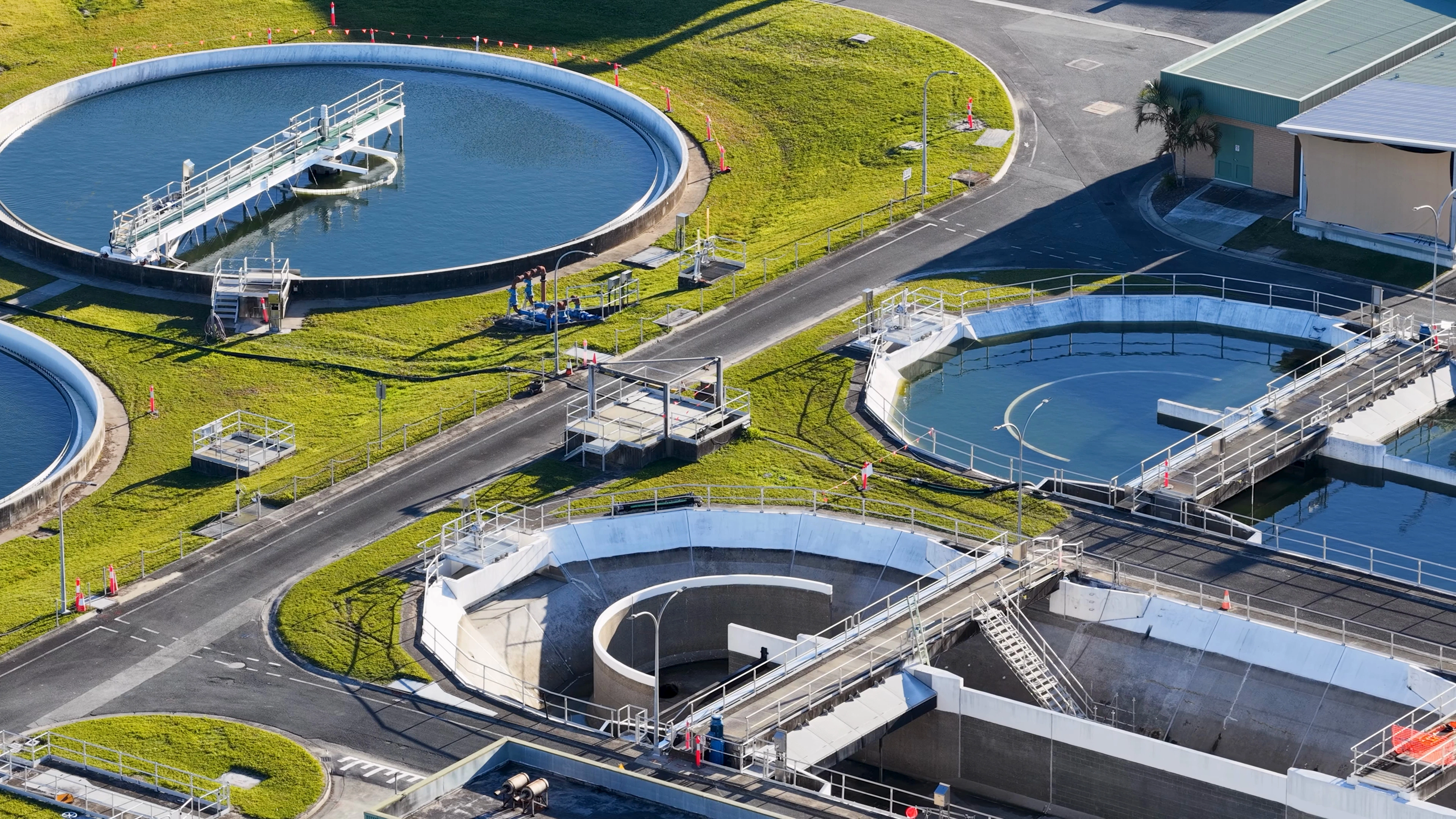
Final product selection depends on make-up water analysis, cooling water chemistry, cycles of concentration, metallurgy, system capacity, heat load, operating temperature, discharge expectations and field monitoring data.
Analysis First
Water analysis before product recommendation.
TDS, SDS and certificates are shared upon request.
Cooling towers are dynamic concentration systems. As water evaporates, dissolved minerals concentrate. At the same time, airborne contamination, process leakage, corrosion by-products and microbiological activity can change the water balance. This makes chemical treatment a system decision, not a catalogue selection. Liberta positions cooling tower treatment as an integrated program. The objective is to protect heat-transfer efficiency, reduce avoidable scale and deposit formation, support metallurgy-specific corrosion control, manage microbiological risk within a site-specific program and help operators keep the system inside a controlled operating window.
Scale inhibitors and dispersants selected to help control mineral deposition, suspended solids and heat-transfer fouling under the operating conditions of the cooling system.
Scale Control | Dispersants | Heat Transfer
Corrosion inhibitor programs for mixed metallurgy cooling systems, selected according to water chemistry, operating pH, cycles of concentration and material compatibility.
Cooling tower operators are increasingly asked to reduce phosphate contribution, manage discharge expectations and support internal sustainability targets. Liberta can evaluate selected phosphate-free and discharge-conscious cooling water programs where the application allows this approach.
These programs are not universal replacements or environmental guarantees. A phosphate-free route must still control scale, corrosion, deposits and microbiological risk within the actual operating window of the system.
Selected P-Free cooling water options may be evaluated according to water chemistry, metallurgy, cycles of concentration and discharge expectations.
Watel Analyses is Liberta's data-based digital technical service support layer for cooling tower systems. Customers, distributors or technical teams can enter field/lab analysis data and system information; the platform can support trend review, system condition assessment, risk indication, recommendation development and action-plan preparation.
Watel Analyses is not real-time online monitoring, live sensor connection, automatic chemical dosing or automatic control.
Helps reduce performance loss caused by mineral scale, deposits and biological fouling on heat-transfer surfaces.
Supports corrosion protection when the program is selected according to actual water chemistry, pH, metallurgy and operating profile.
Helps manage hardness salts, silica, suspended solids and mixed deposits under controlled operating windows.
Review of make-up water, recirculating water and operational parameters.
Recommendation of scale, corrosion, microbiological-control, deposit-control and pH/alkalinity support routes.
Evaluation of selected phosphate-free, no-added-heavy-metal or discharge-conscious options according to system and discharge requirements.
High heat load, high reliability demand, scale/corrosion control and microbiological management.
Process contamination, high suspended solids tendency and mixed metallurgy risk.
OUR APPROACH
From analysis to monitoring
Structured technical support at every stage of program selection and field review.
Analysis
Diagnosis
Treatment
Monitoring
Next step
Explore product families, request a document pack, or send water analysis for technical review.