Calculated protection for RO and membrane systems.
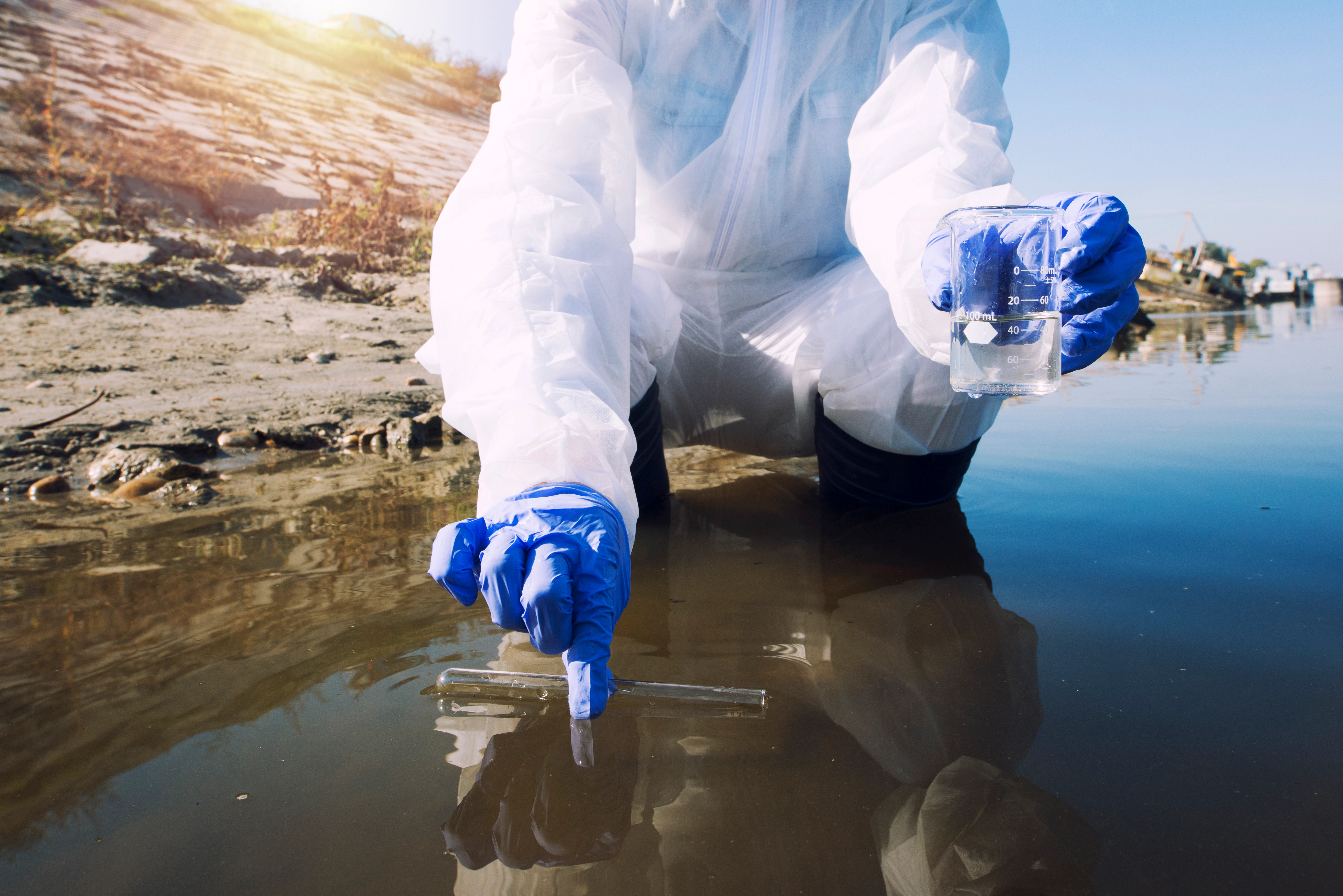
Chemical selection depends on water analysis, system design, recovery target, pretreatment performance, membrane type, pH, temperature and operating history.
Analysis First
Water analysis before product recommendation.
TDS, SDS and certificates are shared upon request.
RO and membrane systems are sensitive concentration systems. A chemical program that works in one plant may fail in another if the water chemistry, recovery target, pretreatment performance, SDI/turbidity profile, membrane configuration or operating pH is different.
RO-Watel is Liberta’s engineering-grade RO projection and antiscalant selection support platform. RO is the system where digital calculation creates the clearest competitive difference.
RO-Watel evaluates entered water analysis data, system parameters, recovery rate, concentrate conditions and product-specific performance limits to support controlled antiscalant selection and dosage review. The output depends on correct analysis data and system information and should be validated with Liberta technical review for final application decisions.
Watel Analyses is Liberta’s data-based technical service support platform for monitoring entered field/lab results, trend information, system condition and recommended action plans. It is not automatic online monitoring or live sensor control.
Supports reduction of scaling, fouling and avoidable chemical mismatch risks when selected according to real water and system data.
Helps manage upstream turbidity, colloids and SDI-related risks where coagulation or filter conditioning is required.
RO-Watel-supported selection can align product route and dosage with recovery target, concentrate chemistry and scaling tendencies.
Liberta reviews feedwater, permeate and concentrate data where available, including conductivity, pH, alkalinity, hardness, silica, sulfate, barium, strontium, iron, manganese, aluminum, SDI and turbidity.
System data can be evaluated through RO-Watel to support product route and dosage selection.
Selected phosphate-free RO antiscalant options can be reviewed where discharge expectations, customer specifications or sustainability objectives make this relevant.
Chemical treatment support for process and utility RO systems where scaling, fouling and recovery must be controlled.
Antiscalant, pretreatment and cleaning support for brackish water systems with application-specific scaling risk review.
Selected chemical support may be evaluated for seawater RO systems, subject to detailed water analysis and system review.
Water systems in scope
| Zone | Role | Sensitivity |
|---|---|---|
| Pretreatment / filter conditioning | Reduce turbidity, colloidal load, suspended solids and SDI pressure before the membrane stage. | BlancoWT® organic, inorganic or blended coagulant routes; jar-test and site simulation where required. |
| Scale-control zone | Protect concentrate-side membrane surfaces against scaling at the target recovery. | PureGuard® 7-series antiscalants, including selected NSF/ANSI/CAN 60 listed and phosphate-free routes where suitable, selected through water chemistry, recovery target and RO-Watel-supported review. |
| Biofouling-risk support | Control avoidable biological fouling risk without damaging membrane chemistry or violating local requirements. | PureGuard® 1-series biocide options where compatible, approved and application-specific. |
| Cleaning / recovery zone | Restore performance after fouling, scale or deposit formation when operational indicators show cleaning need. | PureGuard® 3-series acid, alkaline and specialty membrane-cleaning programs subject to foulant review. |
| Digital engineering layer | Convert water analysis and system data into product-selection, dosage and action-plan logic. | RO-Watel for RO projection / antiscalant selection; Watel Analyses for data-based technical service follow-up. |
Typical water-related problems
| Problem | Why It Matters | Response |
|---|---|---|
| Colloids, turbidity and SDI risk | Fine suspended solids and colloidal load can increase fouling tendency and reduce membrane reliability. | BlancoWT® coagulant and pretreatment-support routes may be evaluated for multimedia/sand filters, clarification or UF pretreatment where applicable. |
| Mineral scaling | Calcium carbonate, sulfate salts, silica and metal-related deposits may limit recovery and increase cleaning frequency. | PureGuard® 7-series RO antiscalants, including selected NSF/ANSI/CAN 60 listed and phosphate-free options, and RO-Watel product/dose selection. |
| Biofouling tendency | Organic load, nutrients, stagnant areas or poor pretreatment may increase biological fouling risk. | PureGuard® 1-series biocide options may be evaluated where membrane compatibility, local regulation and application scope allow. |
| Membrane fouling and performance loss | Organic, inorganic, particulate and biological deposits can reduce normalized flow and salt rejection stability. | PureGuard® 3-series membrane cleaning chemicals and application-specific cleaning programs. |
| Incorrect dosage or product mismatch | Generic dosing can under-protect high-risk systems or overload low-risk systems. | RO-Watel calculation and Liberta technical review based on feedwater and operating data. |
OUR APPROACH
From analysis to monitoring
Structured technical support at every stage of program selection and field review.
Analysis
Diagnosis
Treatment
Monitoring
Next step
Explore product families, request a document pack, or send water analysis for technical review.