Foam control selected by process behavior.
BlancoWT® AntiFoam products are developed for industrial wastewater and process water systems where excessive foam can affect tank capacity, aeration stability, sensor reliability, sludge handling, dewatering performance and operational control.
Foam is not only a surface problem. It is a process-control signal.
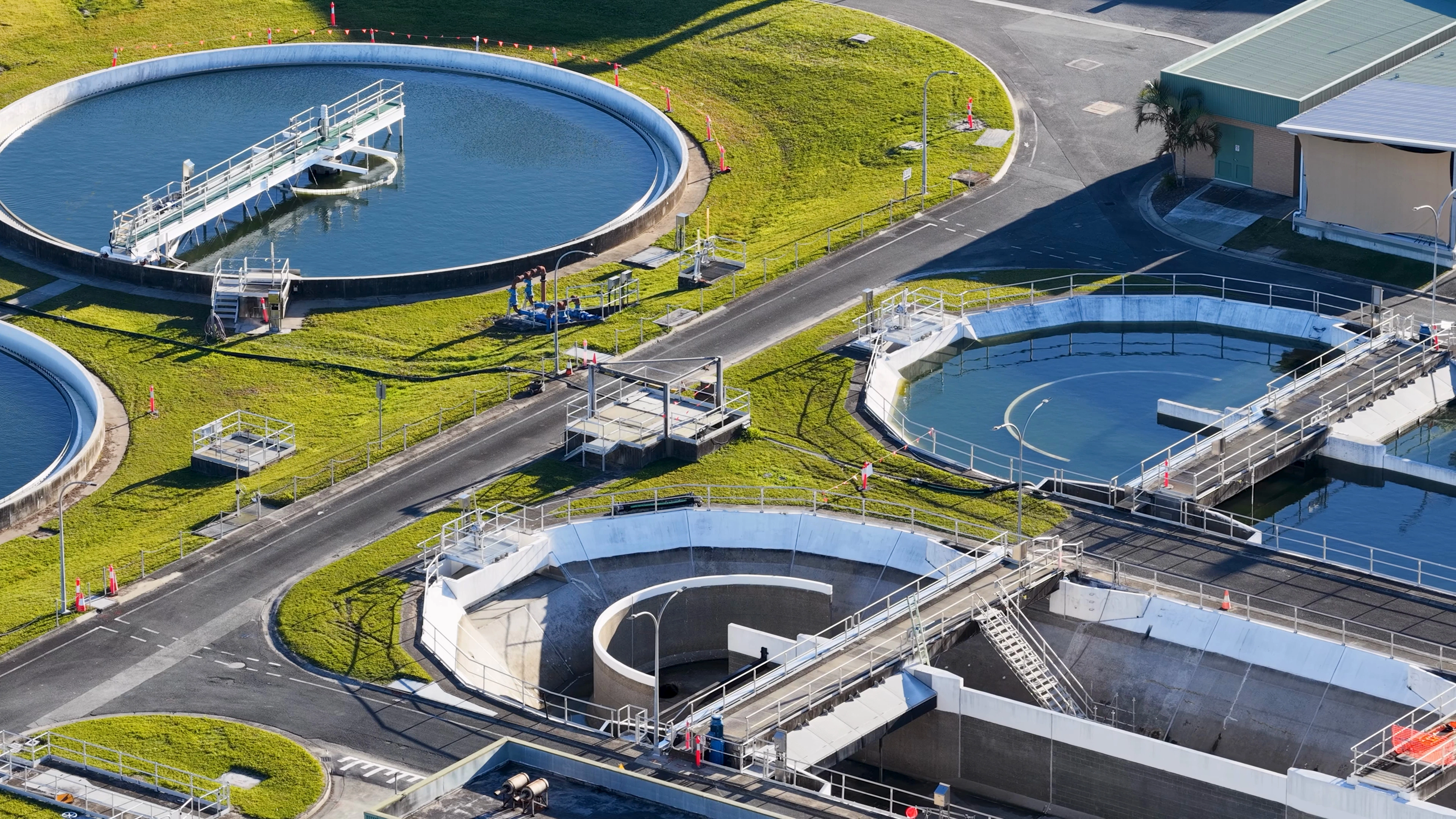
Product selection depends on water analysis, system design and operating conditions.
Analysis First
Water analysis before product recommendation.
TDS, SDS and certificates are shared upon request.
BlancoWT® AntiFoam products are process-specific foam-control solutions for wastewater and process water systems. Foam may form because of surfactants, aeration, biological activity, oil and grease, suspended solids, high organic load, sludge characteristics or process chemistry. This means product selection should not be reduced to a single generic defoamer. Liberta evaluates the foam source, wastewater characteristics, process stage, pH, temperature, aeration profile, organic load, oil/grease content, solids behavior and dosing point before recommending a foam-control route. The objective is to reduce disruptive foam formation while keeping the treatment program compatible with the process where it is applied. Product selection is functional and customer-focused: fast foam knockdown where immediate response is needed, persistent foam control where recurring foam is present, and application-specific product selection for wastewater, biological treatment and sludge-handling lines.
Foam-control products for applications where excessive visible foam must be reduced quickly to support safer and cleaner process operation.
Products selected for recurring foam problems where longer-lasting control is required under repeated aeration or process variability.
Application-specific foam-control support for equalization tanks, aeration basins, DAF systems, biological treatment and process wastewater units.
Foam testing protects both the customer and Liberta. The goal is to identify the correct foam-control route, dosage range and application method before full-scale field use.
Foam source, tank/process stage, pH, temperature, aeration, surfactants, COD load, oil/grease and solids are reviewed.
Correct product selection starts with understanding the foam.
Helps reduce excessive visible foam where rapid response is required.
Supports more stable operation where foam affects tank capacity, aeration, sensors or operator control.
Supports recurring foam-control needs where foam returns due to surfactants, aeration or process variability.
Evaluation of foam source, process stage, pH, temperature, organic load, surfactants, oil/grease and solids behavior.
Comparison of foam-control routes under controlled sample or process-simulated conditions.
Evaluation of foam-control needs in sludge thickening, filter press, centrifuge and DAF sludge applications.
Foam-control support for equalization, aeration, biological treatment, DAF and final treatment areas.
Foam management support where application compatibility and dosage must be reviewed carefully.
Foam-control support where excessive foam affects operation, separation or sludge handling.
OUR APPROACH
From analysis to monitoring
Structured technical support at every stage of program selection and field review.
Sample
Jar Test
Optimization
Field
Next step
Explore product families, request a document pack, or send water analysis for technical review.